




ที่นอนยางพารา 7 ZONE
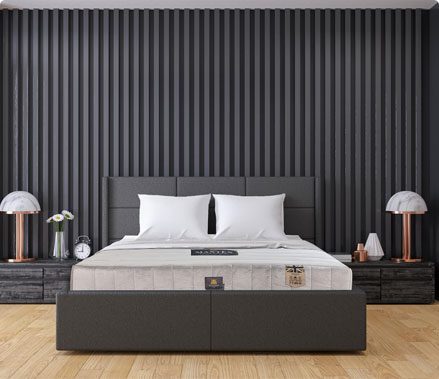
ผลิตจากน้ำยางพาราเทลงในเบ้าพิมพ์อบขึ้นรูปเป็นก้อนที่นอนที่ทำจากน้ำยางพาราธรรมชาติจะมีความยืดหยุ่นสูง ถือว่าเป็นนวัตกรรมผลิตที่นอนด้วยขั้นตอนที่ทันสมัย ออกแบบให้มีพื้นที่ 7 โซนเพื่อรองรับและโอบรับส่วนต่างๆของร่างกาย ร่างกายมีความสมดุลและผ่อนคลายเพื่อการนอนหลับที่สบาย แบ่งพื้นที่ออกเป็น 7 ส่วน ตั้งแต่หัว จรดเท้า ให้เหมาะกับสรีระศาสตร์ที่ถูกต้อง
ความหนาแน่นและความนุ่ม DENSITY ของที่นอน
ส่วนใหญ่ผู้ค้าในตลาดจะใช้ความหนาแน่นตั้งแต่ Density 70-75 แต่ของเราจะใช้ความหนาแน่นอยู่ที่ Density 80- 85 โดยที่นอนยางพาราที่มีความหนาแน่นต่ำจะให้สัมผัสที่นุ่ม ส่วนความหนาแน่นสูงจะให้ความรู้สึกแน่น
ข้อดีและข้อเสีย
- รองรับน้ำหนักตัวตามสรีระศาสตร์บรรเทาอาการปวดหลัง
- มีรูระบายอากาศ
- วัสดุทำมาจากธรรมชาติเป็นมิตรกับสิ่งแวดล้อม
- ทนทาน อายุการใช้งานยาวนานมากกว่า 15 ปี
- ไม่สะสมความชื้น ไม่ก่อให้เกิดแบคทีเรียและไรฝุ่น
ที่นอนยางพารา ECO 70/30
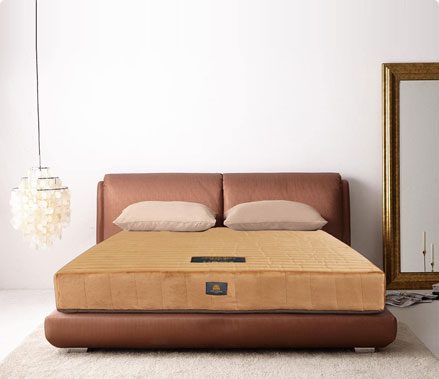
คือการนำเศษยางที่เหลือจากกระบวนการผลิตยางพาราแท้มาบดละเอียด และอัดให้แน่นเป็นก้อน ส่วนใหญ่ที่นอนยางอัดมักจะมีการซ้อนด้วยฟองน้ำหรือยางแท้ชั้นบนสุด เพื่อให้ผิวสัมผัสนุ่มนอนสบายขึ้น
ความหนาแน่นและความนุ่ม DENSITY ของที่นอน
ส่วนใหญ่ผู้ค้าในตลาดจะใช้ความหนาแน่นตั้งแต่ Density 70-75 ไปจนถึง Density 100-110 Kg/m3 และปริมาณยาง จะอยู่ที่ 50-60%ฟองน้ำจะอยู่ที่ 40-50% แต่ของเราจะใช้ปริมาณยางที่ 70% และฟองน้ำ 30% ความหนาแน่น Density 110
ข้อดีและข้อเสีย
- มีความยืดหยุ่นต่ำกว่ายางพาราฉีดแท้ 7 Zone
- ราคาถูกกว่ายางพาราแท้ค่อนข้างมาก
- เนื้อยางจะกระด้าง ไม่มีการเจาะรู
- ที่นอนจะมีน้ำหนักมากและพับได้ยาก
- ทนทาน อายุการใช้งานยาวนานถึง 10 ปี
- ไม่สะสมความชื้น ไม่ก่อให้เกิดแบคทีเรียและไรฝุ่น
ที่นอนยางพีอี (PE)
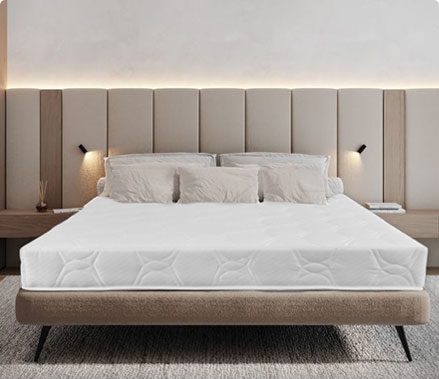
ที่นอนยางสังเคราะห์ PE หรือ ที่นอนที่ใช้วัตถุดิบโพลีเอทิลีน Polyethylene ยางพีอีจัดอยู่ในวัสดุขั้นที่ทนทานมากเทียบเท่ากับฟองน้ำอัด มีความเหนียวแน่น ใช้ไปนาน ๆไม่มีกลิ่นของยาง ไม่เป็นขลุย ไม่ยุบ ไม่จมเป็นแอ่ง น้ำหนักเบากว่าฟองน้ำอัด
ความหนาแน่นและความนุ่ม DENSITY ของที่นอน
มีความแน่นน้ำหนักเบาใช้เป็นแกนกลางของโครงสร้างของที่นอน ทำให้ที่นอนมีน้ำหนักเบาและไม่เป็นฝุ่นไม่เก็บความชื้นดูแลรักษาง่ายเหมาะกับทุกคนในครอบครัว
ข้อดีและข้อเสีย
- มีความเหนียวแน่น
- ไม่มีกลิ่นของยาง
- ไม่เป็นขลุย
- ไม่ยุบ ไม่จมเป็นแอ่ง
- ทนทาน อายุการใช้งานยาวนานถึง 5 ปี
- ไม่สะสมความชื้น ไม่ก่อให้เกิดแบคทีเรียและไรฝุ่น
-
-73%
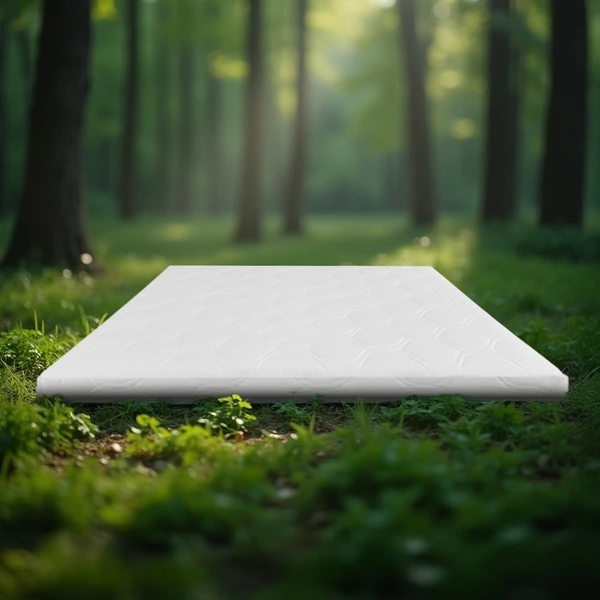 SKU: T007฿4,500 - ฿10,900 ฿16,580 - ฿23,000Topper 100% 7 Zone Natural Latex covered with dust-mite proof jacquard fabricView Details2 Inch, 4 InchLatexSoft
 -
-72%
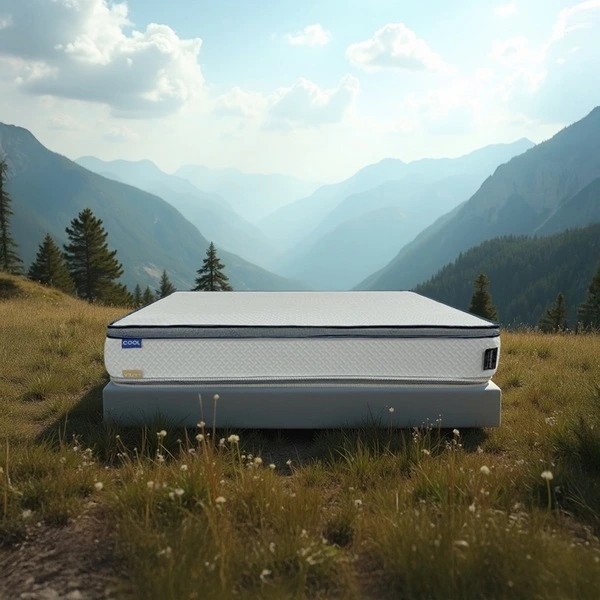 SKU: V004฿6,190 - ฿12,900 ฿21,900 - ฿39,900Tala 100% Natural latex With Cooling Memory foam, form USA Model RESTMAXView Details7 Inch, 9 Inch, 11 InchLatex, Memory Foam, HI-DENSITY ORGANIC OPEN CELL BASEMedium
 -
-69%
 SKU: LX015฿5,500 - ฿8,500 ฿17,900 - ฿31,900Tala Natural latex mattress, 100% organic from USA, model ORGANICA LATEXView Details6 Inch, 8 InchLatex, HI-DENSITY ORGANIC OPEN CELL BASEMedium
 -
-68%
 SKU: T008฿4,500 - ฿10,900 ฿13,900 - ฿23,000Topper 100% Natural Latex injection 7 Zone covered with PVC leather to prevent stainsView Details2 Inch, 4 InchLatexVery Soft